

Also, LIFO is more complex to account for and can impact financial accuracy and record keeping as it involves managing multiple layers of inventory costs over time. On the other hand, LIFO can be beneficial for companies looking to reduce their tax liabilities by reporting lower profits. By using LIFO, your company can report lower profits during inflation and thus reduce your overall tax burden. You calculate it by taking the beginning inventory cost, adding net purchases made during the period, and then subtracting the COGS. It’s a vital component in preparing financial reports and can significantly affect tax implications due to its influence on reported earnings.

FAQs on the FIFO method
- The company made inventory purchases every month during Q1, resulting in a total of 3,000 units.
- Enterprises use LIFO during inflation to report lower net income, higher COGS, and reduced taxes.
- Companies using perpetual inventory system prepare an inventory card to continuously track the quantity and dollar amount of inventory purchased, sold and in stock.
- Both methods have their pros and cons, so you should choose the method that best suits your business.
- You can also check FIFO and LIFO calculators at the Omni Calculator website to learn what happens in inflationary/deflationary environments.
- Some companies in the chemical and pharmaceutical sectors use LIFO to manage the impact of raw material price increases.
Let’s assume that a sporting goods store begins the month of April with 50 baseball gloves in inventory and purchases an additional 200 gloves. Built-in tools for tracking, valuing, and managing stock makes sure your team stays accurate and efficient at every stage of the inventory process. These layers make it hard to report price changes, as altering one can affect the cost of items sold. LIFO, on the other hand, operates under a Last income statement In, First Out assumption, where the newest inventory is sold first. FIFO follows a First In, First Out approach, meaning the oldest inventory is sold first.
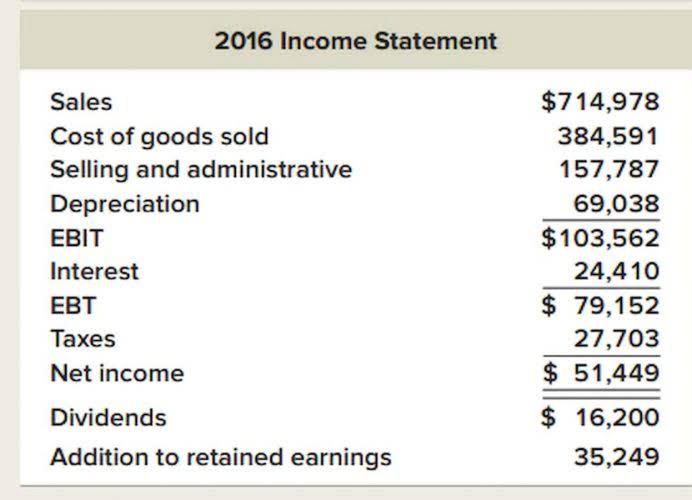
How do FIFO and LIFO affect more straightforward accounting operations?
Upgrading to an inventory management system how to calculate fifo and lifo can further simplify this process by adding visibility, allowing you to track, control and forecast your store’s stock. This method values your inventory so that the business is less likely to lose money from products that can expire or become obsolete. This is especially useful for maintaining profits from perishable goods, as it makes sense to sell older inventory. It can also help protect from fluctuations in economic conditions and the potential for rapidly increasing cost of production. Under last-in, first-out (LIFO) method, the costs are charged against revenues in reverse chronological order i.e., the last costs incurred are first costs expensed. In other words, it assumes that the merchandise sold to customers or materials issued to factory has come from the most recent purchases.
- Discover how UPS’s 2025 peak season surcharges will impact your shipping costs & learn strategies to mitigate these expenses with advanced …
- Consequently, they have reduced profits, which results in them paying less in taxes.
- Understanding FIFO and LIFO methods is essential for accurate inventory valuation and financial reporting.
- If you’re looking to maximize savings beyond your business operations, you may also be eligible to file your taxes for free, ensuring you keep more of your hard-earned profits.
Conversion of Reported Financial Statements from LIFO to FIFO

Since products are sold quickly, the difference between old and new prices is often minimal. As a result, the accounting method rarely leads to significant tax differences, and the simpler FIFO approach is favored. Businesses in markets with rising prices often favor LIFO for its tax benefits.

The other 10 units that are sold have a cost of $15 each and the remaining 90 units in inventory are valued at $15 each or the most recent price paid. Besides accurately reflecting the physical inventory flow, the FIFO method enables businesses to lower taxes during stable economic environments and improve financial ratios. US-based enterprises enjoy greater flexibility in opting for LIFO or Liability Accounts FIFO.